
Signing a commercial lease can feel like an incredible milestone for your business. It often means growth, stability, and a physical space to build your brand. Feldman Equities states commercial lease renewal rates often range between 50–75%, depending on tenant type and market conditions. This indicates new drafts and legal policies every time!
But here’s the catch. Most leases nowadays are written only in favor of landlords, not tenants. This is where things can get slightly challenging to navigate for tenants.
If you are a business owner in Philadelphia, you need to understand the key lease clauses. Overlooking these may lock you into unfavorable outcomes for your business.
This is why a commercial lease attorney like Holmes Business Law becomes incredibly helpful. They help you review the documents, draft, and negotiate smarter terms tailored to protect your business long-term.
In this guide, we will quickly break down 12 critical tenant clauses you should always negotiate before signing any commercial lease in Philadelphia. These are very common yet overlooked areas where small businesses often lose money, flexibility, and control.
Benefits of a Commercial Lease Attorney
Commercial leases are not just any standard set of agreements. There are various complex legal contracts filled with technical language, hidden costs, and long-term obligations that you need to be aware of.
A commercial lease attorney helps you:
- Identify unfavorable terms before signing.
- Negotiate all clauses to reduce risk.
- Protect your business from any future disputes.
- Ensure compliance with all Pennsylvania laws.
When you handle such important aspects independently as a business owner, you can become overwhelmed and confused, leading to incorrect legal decisions. Working with a professional team can make all the difference between your next profitable lease and a costly mistake.
Commercial Leases In Philadelphia
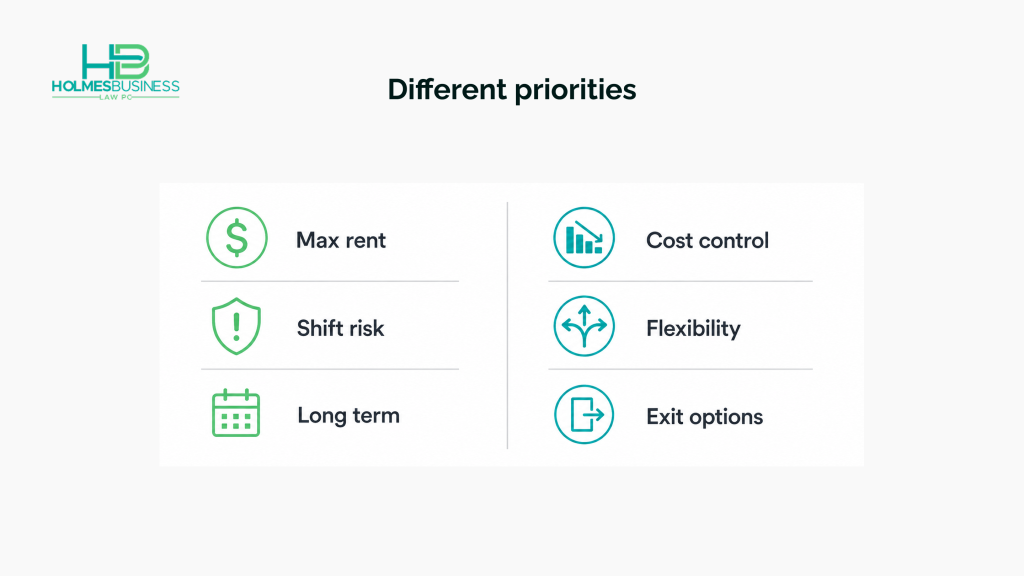
Philadelphia’s commercial real estate market is extremely competitive and landlord-driven. Many leases are strategically structured to minimize landlord risk, often shifting financial and legal burdens onto tenants right away.
Unlike residential leases, commercial leases are highly negotiable. However, if you do not even ask, you do not get. That is why understanding the key clauses before negotiation is exceptionally critical.
12 Tenant Clauses You Must Negotiate
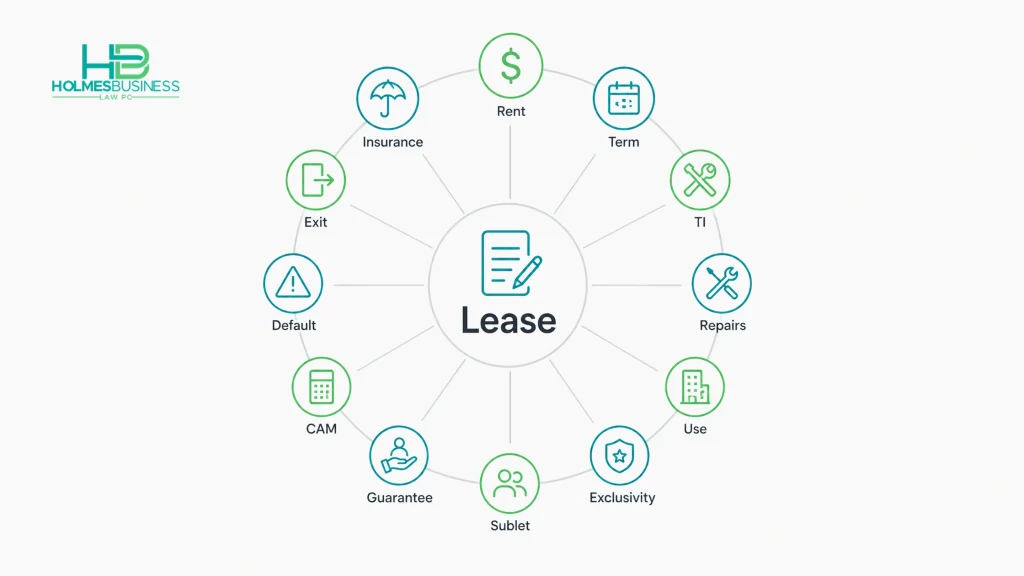
Having a good understanding of tenant clauses gives you greater power to negotiate your commercial leasing deals. Here are the 12 tenant clauses you must never ignore.
- Rent Escalation Clause
Most leases incur increasing annual rent charges. The hike may be fixed, tied to inflation, or based on market rates.
Always negotiate for predictable and reasonable increases. Avoid any vague language that allows landlords to raise rent unpredictably or at short notice.
- Lease Term And Renewal Options
A long lease will provide stability. But it can also trap your business if things change or grow. It is important that your lease always has certain renewal options with predefined terms.
If you do not have adequate flexibility, you may have to renegotiate from scratch, which is a completely different hassle.
- Tenant Improvement Allowances
Some commercial spaces need customization. So, who actually pays for it? You can always negotiate a tenant improvement allowance for your business.
Negotiate the right terms to ensure the landlord always contributes to all build-out costs. This is especially important if you are running any retail or restaurant businesses.
- Maintenance And Repairs
Who will be responsible for any repairs, structural issues, or maintenance? Your business should only pay for the interior and non-structural repairs. Try to negotiate the terms here.
Landlords should typically be responsible for handling all major aspects, such as roofing, plumbing, and electrical work. Otherwise, this may significantly increase your expenses!
- Use Clause
The use clause refers to how you can operate your business in the space. Make sure it is broad enough to allow flexibility, especially if you have a growing business where you may have to hire more employees. Because if your business evolves, a restrictive use clause can actually prevent growth or diversification.
- Exclusivity Clause
An exclusivity clause is extremely critical in retail environments. Some landlords even try to lease nearby spaces to your direct competitors.
This can hinder your business growth. The right commercial business attorney will advise you to avoid this in the most strategic way.
- Assignment And Subletting
Business conditions are volatile and keep changing. What if you sell your business or try to relocate? Analyze the landlord’s terms and conditions in such cases.
Negotiate all the terms that allow you to assign or sublet the space with reasonable landlord approval. Avoid any potential clauses that give landlords absolute discretion.
- Personal Guarantee
Many landlords require a personal guarantee, especially for small businesses. This puts your personal assets at risk if the business cannot meet lease obligations.
Always try to limit the guarantee or negotiate a “burn-off” clause that ultimately removes it after a certain period.
- Common Area Maintenance (CAM) Fees
CAM fees include everything, from cleaning to security to landscaping. These are typically the shared expenses. Thus, always ask for a clear breakdown of these parts before you sign the deal. Negotiate well to avoid any unexpected, random increases that may impact your budget.
- Default And Cure Periods
There may be months when you miss a payment or violate certain lease terms. This is where you need to be extra careful.
Always ensure you have a reasonable period of time to fix it before your landlord imposes any penalties or initiates an eviction.
- Early Termination Clause
Sometimes, you need an exit strategy for your business. An early termination clause effectively allows you to end the lease under certain conditions.
Often, it comes with a penalty. However, this flexibility can actually save your business in uncertain times.
- Insurance Requirements
Landlords often require specific insurance coverage. However, do not just agree to anything or everything. If your landlord is asking for certain insurance coverage, don’t just agree to anything or everything here.
Always make sure that the agreements within the lease are reasonable. They should not be a burden to your business growth. Avoid overly strict insurance terms that can suddenly increase your operational costs!
Common Mistakes Tenants Make
Many business owners rush into lease agreements without properly reviewing or understanding the clauses, resulting in significant damage to revenue and reputation in the future. Here are some common mistakes:
- Signing without legal review
- Ignoring hidden costs like CAM fees
- Accepting restrictive clauses without negotiation
- Overcommitting to long lease terms
- Not planning for business growth or exit.
Avoiding these mistakes starts with informed negotiation and legal guidance. This is where a commercial lease attorney can save your business time, effort, and possible risks related to commercial leasing.

How Holmes Business Law Can Help Your Business?
Most businesses prefer to choose the best commercial lease attorney in the state, such as Holmes Business Law. Our wide range of services and extensive experience ensure your commercial lease stays with your business and you do not get stuck with any unwanted or extreme clauses in the future.
- Choosing commercial lease attorney services always ensures that your lease is carefully reviewed every time, with your business goals in mind.
- Whether you are opening your first location or expanding into a new space, legal guidance will always help you negotiate better terms, reduce potential risk, avoid any unnecessary complications, and get better deals.
- Instead of just reacting to problems after signing the lease, the right legal support lets you prevent them before they happen.
- Whenever you are about to sign a commercial lease, it is absolutely necessary to understand what every clause means. This will help you understand how each lease clause matches with your business goals in the long run.
Also, you can avoid potential hidden costs or restrictive terms beforehand that can turn into a major financial burden in the future.
FAQs
A commercial lease attorney truly helps you understand and navigate through various complex lease terms and negotiate better conditions that protect your business in the long run.
Yes. Almost every clause in a commercial lease is negotiable. However, this applies only if you negotiate before signing.
Hidden costs and restrictive clauses. These can create massive long-term financial and operational challenges.
It ultimately depends on the complexity, but most negotiations take a few weeks with proper legal guidance and analysis.
Not always. But many landlords may request it. A commercial attorney will help you strategically limit or negotiate this clause.
CAM fees cover all shared expenses required to maintain common areas. These should be clearly defined and capped.
Before signing any lease agreement or relocating to a new place. Remember. Early involvement always allows better negotiation outcomes.
Conclusion
A commercial lease is more than just any paperwork. It is a long-term commitment that can actually shape your business’s future.
This is why it is important to negotiate the right clauses. With the right guidance and negotiation, you can enjoy effective protection and flexibility in your business. Also, you stay financially prepared for any unprecedented situations.
Thus, if you are planning to lease a commercial space in Philadelphia, it’s high time to consider professional legal guidance from Holmes Business Law. Their commercial lease attorney has helped numerous businesses with clause negotiations and secured better deals to ensure their interests are fully protected at all times!
Key Takeaways:
- Commercial leases are always negotiable. These are not fixed agreements. Thus, when you have the space to negotiate, you need to understand the clauses more clearly, thereby securing better terms that align with your business goals.
- Key clauses like rent, maintenance, and termination can significantly impact your business’s financial stability in the future. Negotiating all key tenant clauses early prevents possible costly surprises later.
- A commercial lease attorney provides the much-needed clarity and protection throughout the process. Their expertise and analysis help you avoid potential risks that are easy to overlook.
- Flexibility in lease terms is extremely crucial for growing businesses. Clauses like subletting and renewal options give you enough room to adapt as your business evolves over the years.