
If your starting point is “I want to buy a business,” do not begin by negotiating the asking price. Begin by defining what you can operate, finance, and verify. Before making an offer, identify your acquisition criteria, assemble advisers, screen the seller and opportunity, normalize earnings, test transferability, choose a preliminary structure, and decide the conditions that must protect your deposit and exit rights.

Step 1: Define Your Acquisition Criteria
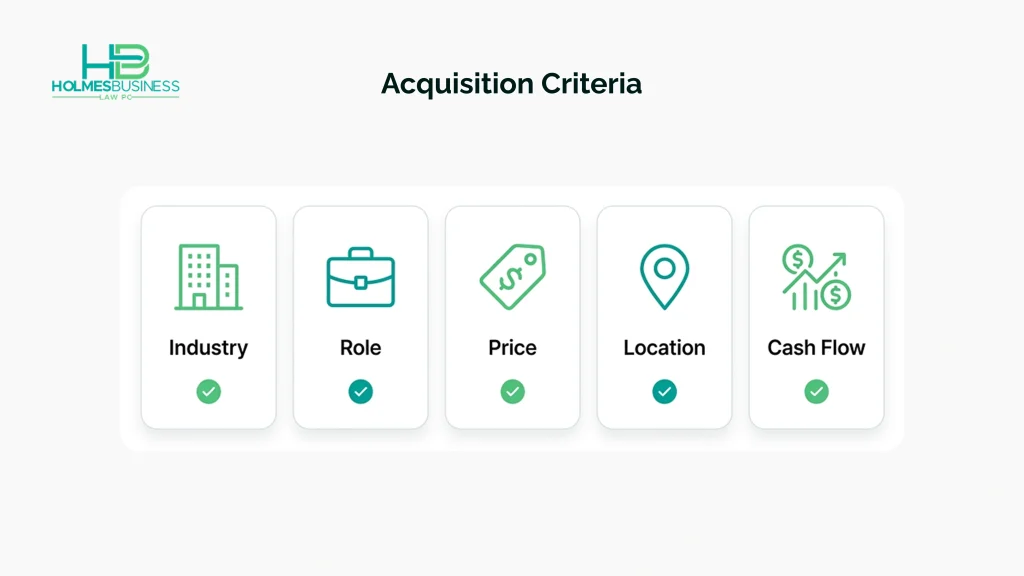
Write a one-page acquisition profile before contacting sellers. Include industry, geography, price range, minimum cash flow, required owner hours, number of employees, recurring revenue, licensing, real estate needs, and excluded risks.
Criteria prevent attractive listings from pulling you into a business you cannot operate. Decide whether you want an owner-operated company, a manager-run business, a strategic add-on, or an investment that requires a hired operator.
Step 2: Calculate Your Total Capital
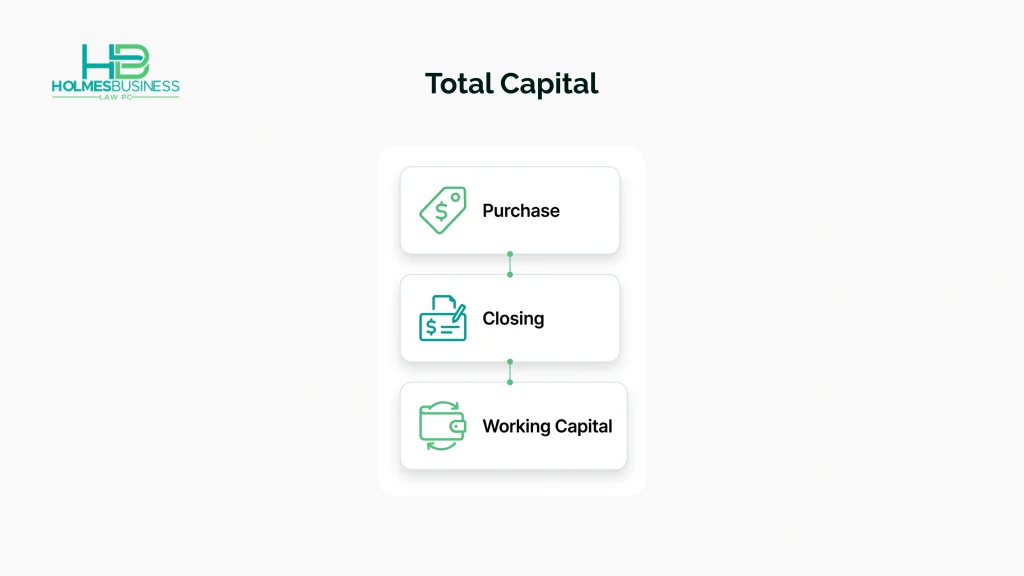
Budget beyond the purchase price. Include lender fees, legal and accounting work, valuation, environmental or technical review, deposits, insurance, inventory, payroll, rent, repairs, technology, taxes, and working capital.
Stress-test the first six months. A profitable business can still face a cash shortage when receivables are slow, inventory must be rebuilt, or the seller’s vendor terms disappear.
Step 3: Choose Your Advisory Team
Use advisers for distinct decisions. A business lawyer addresses structure, diligence, contracts, risk allocation, and closing. A CPA reviews tax treatment and financial quality. A lender tests financing. A valuation professional supports price analysis when appropriate.
Engage them before signing an LOI. Holmes Law’s business acquisition service can review an offer, LOI, or transaction structure before exclusivity narrows the buyer’s options.
Step 4: Build a Target List
Compare multiple opportunities against the same criteria. Sources can include brokers, industry contacts, accountants, lenders, direct outreach, and marketplaces. Record asking price, cash flow, owner role, location, customer concentration, lease term, and reason for sale.
A comparison reduces pressure to rationalize the first plausible target.
Step 5: Sign a Sensible NDA
Protect confidential information without accepting unnecessary restrictions. Review the definition of confidential information, permitted recipients, use limits, return or deletion, duration, non-solicitation, noncompetition, and standstill terms.
The NDA should let you share information with advisers and financing sources who are bound to confidentiality. It should not quietly prevent you from operating in an industry if no deal occurs.
Step 6: Screen the Seller and Listing
Verify the people and entity behind the opportunity. Confirm the seller’s legal name, ownership, authority, business entity, location, broker role, and reason for sale. Search available entity, litigation, lien, licensing, and public records.
Use the Pennsylvania Department of State business services for entity and UCC information. A polished listing is marketing, not evidence.
Step 7: Test the Financial Story
Reconcile seller-adjusted earnings before applying a multiple. Compare tax returns, profit-and-loss statements, balance sheets, bank deposits, payroll, sales reports, debt, inventory, and receivables.
Identify owner add-backs and the cost to replace the seller’s labor, vehicle, rent, insurance, and relationships. Use the business valuation guide to separate price from verified value.
Step 8: Identify Transfer Risks
Find the relationships and approvals the business needs on day one. Review lease term and assignment, key customer and vendor contracts, licenses, employees, intellectual property, loans, software, insurance, and personal guaranties.
Ask whether each item transfers in an asset sale and whether a change of control matters in an ownership purchase. A “turnkey” business without landlord consent or a transferable license is not turnkey. Compare those claims with the benefits and risks of buying an existing business.
Step 9: Choose a Preliminary Deal Structure
Decide whether the offer assumes an asset purchase or an ownership-interest purchase. An asset deal can identify selected assets and liabilities but requires transfer work. An equity or membership deal keeps the entity intact with its historical obligations.
The structure affects tax, price allocation, consents, financing, risk, and closing documents. Review the IRS overview of a sale of a business and keep the right to revisit the structure after diligence.
Step 10: Set Your Valuation Range
Use a range tied to verified assumptions. Identify a base value, an upside case, and a downside case. Adjust for customer concentration, owner dependency, lease risk, working capital, capital expenditure, debt, and transfer failures.
Do not bid against the seller’s asking price alone. State the records and conditions needed to support the offer.
Step 11: Plan Financing and Timing
Confirm financing feasibility before promising a closing date. Ask what the lender requires, including buyer equity, collateral, guaranties, appraisal, financial records, insurance, and lease term.
Build time for diligence, document negotiation, landlord or contract consent, licenses, tax work, and lien releases. A target date should be conditional, not a promise to close despite missing approvals.
Step 12: Prepare a Protected Offer

The offer should preserve access, decision time, and a clear exit. Address:
- Price and preliminary structure.
- Deposit amount, holder, refund triggers, and release.
- Included assets or ownership interests.
- Working-capital assumptions.
- Financing condition.
- Diligence scope and access.
- Exclusivity start, length, and seller delivery duties.
- Required lease, contract, lender, license, and regulatory consents.
- Confidentiality and public announcements.
- Target closing and termination rights.
- Nonbinding and binding provisions.
Have the offer or LOI reviewed before signing. The later purchase agreement cannot always restore a negotiating position surrendered through an early deposit or unconditional exclusivity period.
FAQs
What Is the First Step If I Want to Buy a Business?
Define the industry, owner role, price, financing, geography, and minimum cash flow that fit your resources.
How Much Money Do I Need?
Budget the purchase price plus diligence, closing costs, working capital, repairs, inventory, insurance, and a transition reserve.
Where Can I Find Businesses for Sale?
Use brokers, industry contacts, advisers, lenders, direct outreach, and marketplaces, then apply the same screening criteria.
Should I Sign an NDA?
Usually, but review restrictions, permitted adviser disclosure, duration, deletion duties, and any nonsolicitation or noncompetition language.
What Financial Records Should I See Before an Offer?
At minimum, request enough tax, financial, banking, payroll, sales, debt, and working-capital information to test the seller’s earnings claim.
Should My First Offer Be an Asset Purchase?
It can be a starting assumption, but the structure should be chosen after legal and tax review and remain adjustable through diligence.
Should I Pay a Deposit With the LOI?
Only with written terms covering escrow, refund triggers, financing, diligence, consents, and termination.
Do I Need a Lawyer Before Making an Offer?
Legal review before signing can protect exclusivity, deposit, access, structure, and exit rights that become harder to change later.
Conclusion
Move from fit to funds, facts, and transferability before discussing a final price. A disciplined pre-offer screen saves diligence expense and preserves negotiating room. Once a target passes those gates, prepare an offer that gives you access to verify the business and a clear right to stop if the assumptions fail. If you have a draft LOI or broker form, have its binding terms and deposit protections reviewed before signing.
Key Takeaways
- Define industry, location, owner involvement, price, financing, and minimum cash flow before reviewing listings.
- Keep enough capital for diligence, closing costs, working capital, repairs, and the transition, not only the purchase price.
- Screen financial claims against tax returns, bank deposits, payroll, debt, and replacement owner compensation.
- Identify lease, license, customer, vendor, and platform transfer restrictions before valuing the business as continuing unchanged.
- Treat an offer or LOI as a risk-allocation document because exclusivity, confidentiality, deposits, and access terms may bind you.
- Do not make a nonrefundable payment before the offer states clear diligence, financing, consent, and termination conditions.